
Feel a sharp twinge every time you drink something cold or take a bite of ice cream? It’s not just a coincidence. Tooth sensitivity occurs when the enamel loses part of its natural protection, and certain foods can make the problem worse, turning an ordinary meal into an unpleasant experience. The good news is that, by understanding what causes it, you can adjust your diet and experience much less discomfort in your daily life.
At Gross Dentistas, we always recommend foods for sensitive teeth that help prevent this problem from getting worse. Want to know which ones? Keep reading!
Why do some foods cause more tooth sensitivity?
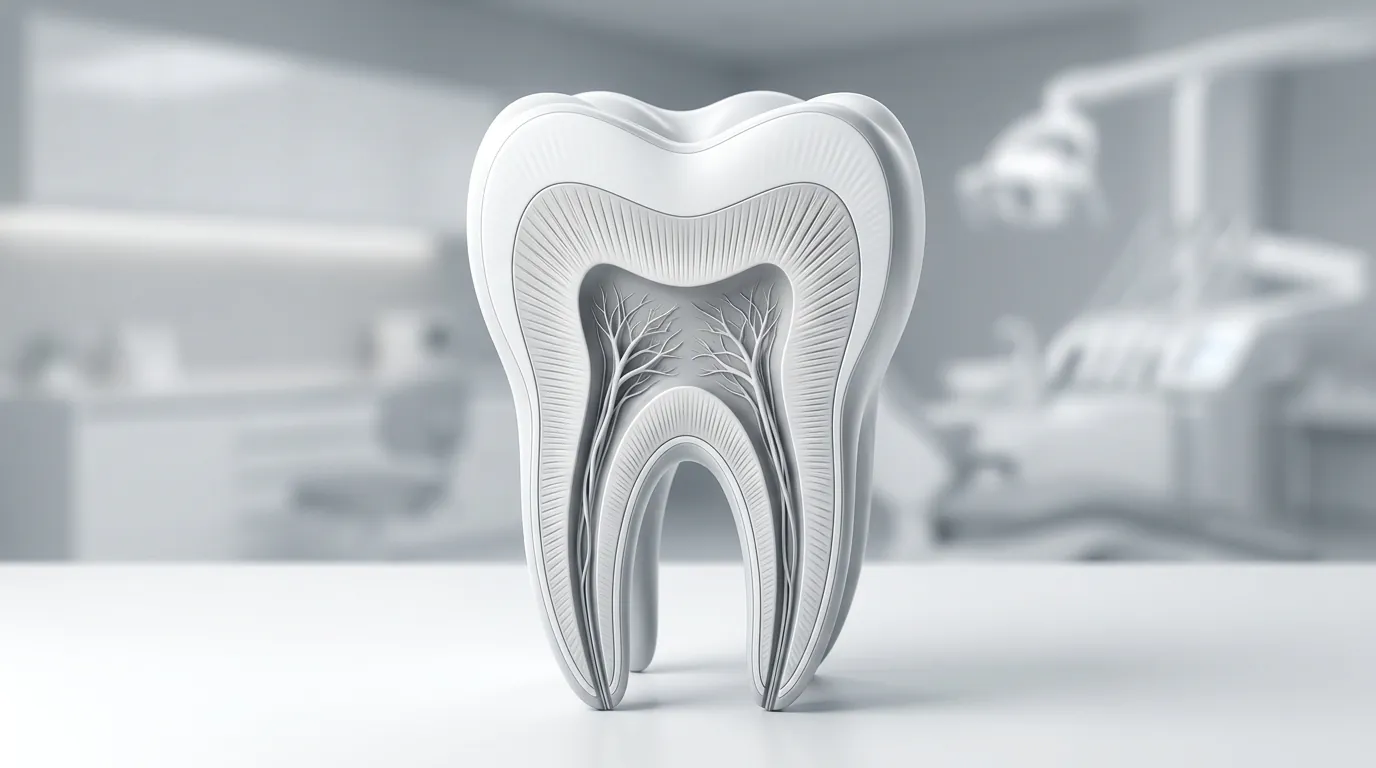
Beneath the enamel lies the dentin, a tissue crossed by thousands of tiny channels that connect directly to the tooth’s nerve. As long as the enamel remains intact, these channels stay protected and the nerve receives very little external stimulation. The problem begins when that protective layer wears down or when the gums recede and expose the root: that’s when the channels become exposed and any stimulus reaches the nerve much more quickly.
This wear and tear doesn’t usually happen overnight. Brushing too aggressively, bruxism, certain gum diseases, or simply the passing of time can gradually weaken the enamel without you noticing until you start feeling that sharp twinge. That’s why many people associate sensitivity with something specific they ate, when in reality the conditions had already been developing beforehand.
Once the dentin is exposed, the tooth becomes much more reactive to things that previously caused no discomfort. This is where diet comes into play: not because foods “cause” sensitivity from scratch, but because they act on enamel that has already lost part of its protective function.
Foods for sensitive teeth: what we recommend eating and what you should avoid
It’s not about eliminating entire food groups from your diet, but rather understanding what helps and what makes the problem worse so you can strike the right balance.
What do we recommend eating?
Some foods, rather than making sensitivity worse, help strengthen enamel and keep your mouth in a healthier, more balanced environment. Including them regularly in your diet can make a real difference:
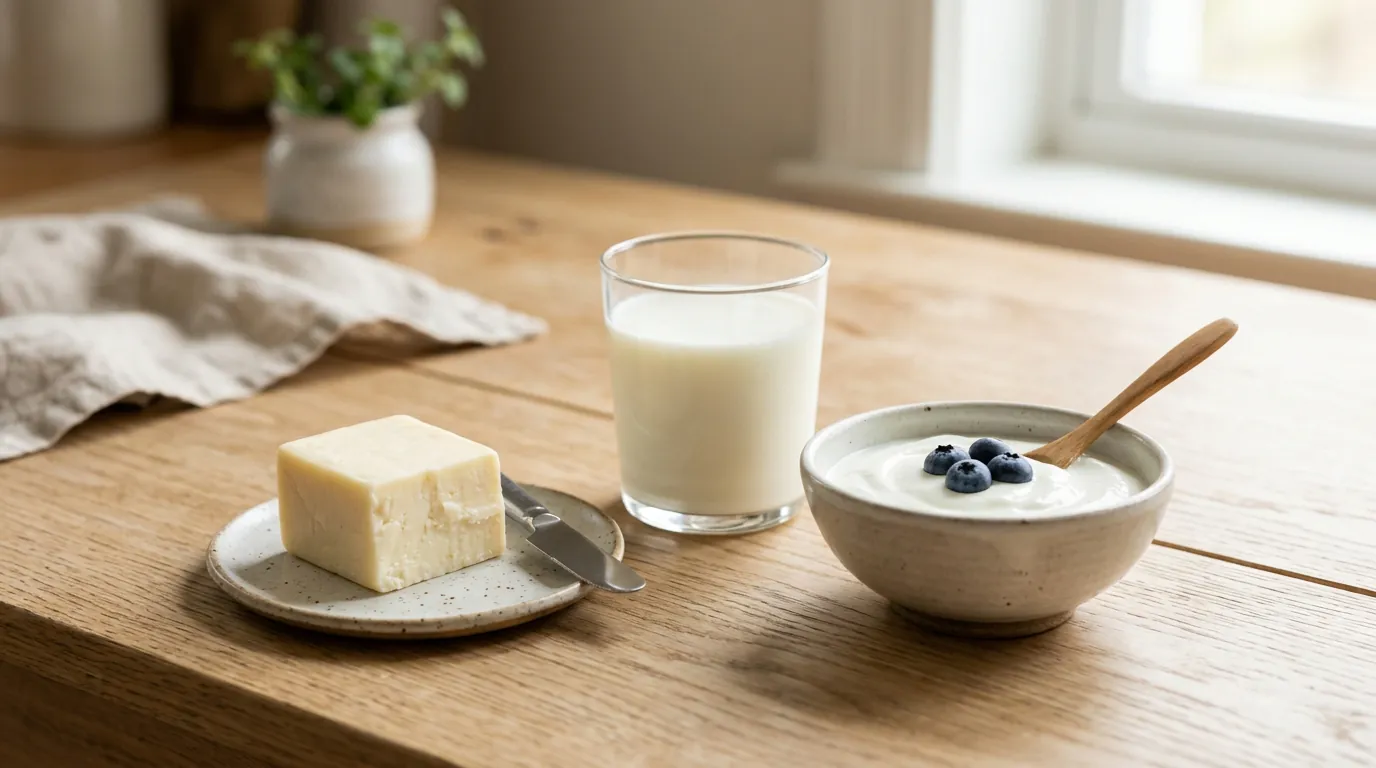
- Dairy products such as cheese, plain yogurt, or milk. They provide calcium and phosphate, minerals that help strengthen enamel from within.
- Crunchy vegetables such as carrots, celery, or cucumber. Chewing them stimulates saliva production, which naturally neutralizes acids in the mouth.
- Lean proteins such as chicken, fish, or eggs. They provide the nutrients your gums and the tissues surrounding your teeth need to stay healthy.
- Nuts such as almonds or cashews, in moderation. They are low in sugar and rich in minerals, although they should be chewed carefully if your sensitivity is severe.
Which foods should you avoid?
On the other hand, some foods are best limited because they tend to wear down enamel or directly irritate the tooth’s nerve:
- Citrus fruits, vinegar, pickled foods, and tomatoes. Their acidity gradually wears away enamel if consumed frequently.
- Soft drinks, including sugar-free varieties. Their pH remains low and weakens the tooth surface just the same.
- Sticky sweets and sugary drinks. They feed the bacteria that produce acid in the mouth, adding to the existing enamel wear.
- Ice cream, very hot coffee, or boiling soups. Extreme temperatures directly trigger pain in teeth with exposed dentin.
A simple tip: if you consume something acidic, rinse your mouth with water afterward instead of brushing your teeth immediately. Enamel becomes temporarily softer, and brushing right away can damage it more than protect it.
Visit your trusted dentist to check your tooth sensitivity
Taking care of your diet helps, but it’s not always enough to understand what’s really happening in your mouth. If your sensitivity doesn’t go away, is concentrated in one particular tooth, or continues to worsen over time, it’s a good idea to have it checked before it develops into something more serious.
At Gross Dentistas, our dental clinic in Torremolinos and Málaga, we assess each case individually to rule out underlying causes of sensitivity, such as a cavity beginning to form, a small crack, or a gum problem. Detecting it early usually means simpler and less invasive treatment.
If you notice the discomfort keeps coming back even after adjusting your diet, book an appointment at any of our clinics. An early diagnosis is the best way to prevent a simple sharp twinge from becoming a bigger problem, or otherwise, we’ll help you identify the most suitable foods for sensitive teeth.

Odontóloga en Gross Dentistas. Ortodoncista especializada en el sistema de ortodoncia invisible, extensa trayectoria profesional y un gran número de pacientes satisfechos con los resultados obtenidos tras la finalización de su tratamiento.
Áreas de dedicación: Ortodoncia · Alineadores transparentes · Salud bucodental
Perfil profesional: Doctoralia · Masquemédicos · Topdoctors


