
Good oral hygiene depends on consistency, but also on the products we use daily. That is why it is common to wonder about the frequency for changing toothpaste and whether we are taking proper care of our teeth and gums.
How often should you change your toothpaste and toothbrush?
Each product is replaced according to a different criterion:
Toothpaste
Toothpaste does not have a replacement period based on use: it is changed when the tube runs out. What you should keep an eye on is the expiry date on the packaging, because in some formulas, fluoride becomes less available during storage and the toothpaste provides less protection against cavities.
That is why it is better not to extend the use of tubes forgotten in a drawer and to always check the date before using them. If the appearance or smell of the toothpaste has changed, the sensible thing to do is not to use it. Close the cap tightly after each brushing to keep the tube in good condition.
Toothbrush
It is usual to change your toothbrush every three or four months, or sooner if the bristles are frayed or flattened. This period is a guideline, because wear varies greatly from one person to another. The best indication of when to replace it is the condition of the bristles, since extreme wear leads to more plaque buildup.
Storage also plays a role. Store the toothbrush uncovered and do not put it in closed containers, and keep it separate from other toothbrushes to avoid cross-contamination. It should not be shared with other people either. If you use an electric toothbrush, the part that is replaced is the brush head, at the same frequency.
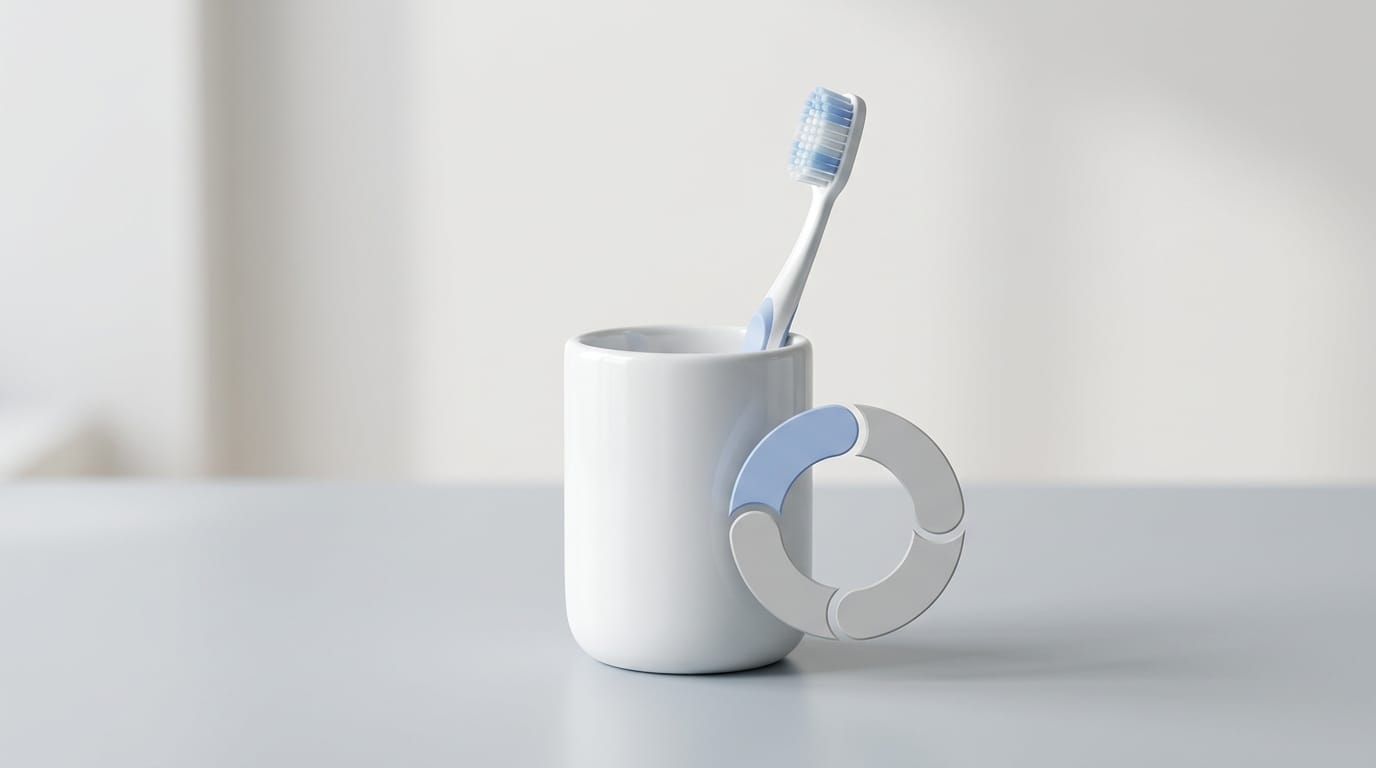
Tips on how to choose the right toothpaste according to your oral health
Not all toothpastes are suitable for everyone. The one that works best is the one that adapts to your age, the condition of your teeth and gums, and what your mouth needs at any given time. That is why it is worth looking beyond the brand or the price and reviewing these aspects before making a decision:
- Fluoride: it is the most important ingredient because it strengthens the enamel and prevents cavities. Before buying, check the label and make sure the toothpaste contains it and that its concentration is at least 1000-1100 ppm. A fluoride-free toothpaste, even if it tastes good or promises other benefits, does not offer this protection.
- Age of the person using it: children do not need the same toothpaste or the same amount as adults. Specially formulated toothpastes are used for younger children, and only a very small amount is placed on the toothbrush, always under adult supervision to make sure they do not swallow the toothpaste. If you have doubts about the right concentration for your children, consult their dentist.
- Tooth sensitivity: if you notice discomfort when consuming something cold, hot or sweet, it is a sign that your teeth need attention. There are toothpastes designed for this problem, but it is advisable for a professional to first examine the cause, because sensitivity may be due to enamel wear or a gum problem.
- Inflamed gums: bleeding when brushing is not normal and cannot be resolved by changing toothpaste. Before trying different products, it is advisable to have your dentist assess the condition of your gums, as they may need specific treatment in addition to a good hygiene routine.
- Enamel wear: if your teeth are already worn down or you brush frequently and forcefully, it is worth choosing a low-abrasion toothpaste to avoid making the problem worse. Whitening toothpastes tend to be more abrasive, so it is better to use them only if your dentist considers it appropriate.
- Ongoing dental treatments: if you wear braces, have implants or dentures, your oral hygiene routine has its own specific needs. Ask your dentist which toothpaste and brushing technique are suitable for your situation.
With these points clear, choosing toothpaste becomes much easier. Even so, the safest option is to check your choice during your regular check-up, where it is possible to determine whether the product you use at home meets your mouth’s needs.
Professional advice for oral hygiene
Prevention is the foundation of our work at Gross Dentistas. As a dentist in Torremolinos and Málaga, we review your hygiene routine and assess whether the products you use at home are suitable for your teeth and gums.
Our approach is preventive and multidisciplinary, and it covers everything from regular check-ups to periodontal treatments when necessary. If you have questions about which products to use at home or how often to replace them, you can book an appointment at any of our centres, and we will give you a recommendation tailored to your needs.
Sources and references
- American Dental Association (ADA) — Toothbrushes
- MouthHealthy (ADA) — Toothbrushes: lifespan and storage
- International Journal of Dental Hygiene — Toothbrush wear in relation to toothbrushing effectiveness (Van Leeuwen et al., 2019)
- Acta Odontológica Latinoamericana (PubMed) — Stability of chemically available fluoride in Chilean toothpastes
- FDI World Dental Federation — Policy statement on topical fluorides for the prevention of dental caries

Odontóloga en Gross Dentistas. Ortodoncista especializada en el sistema de ortodoncia invisible, extensa trayectoria profesional y un gran número de pacientes satisfechos con los resultados obtenidos tras la finalización de su tratamiento.
Áreas de dedicación: Ortodoncia · Alineadores transparentes · Salud bucodental
Perfil profesional: Doctoralia · Masquemédicos · Topdoctors


